Reflective Practice
Give Each Tarot Position a Job Before You Draw the Cards
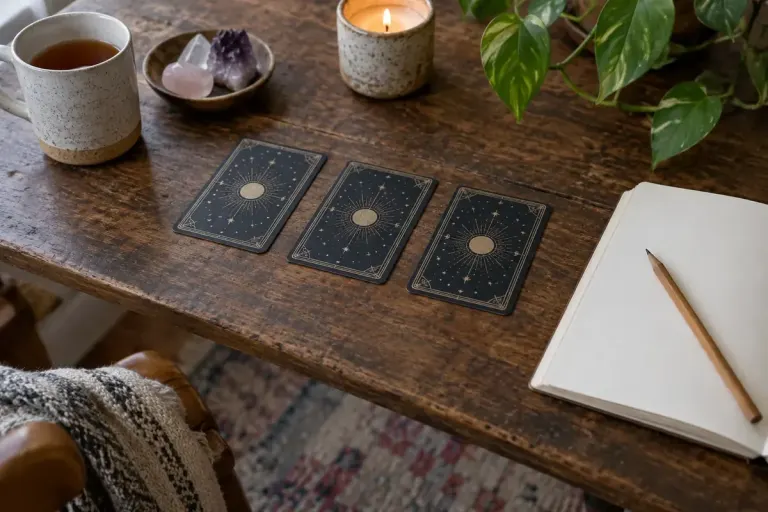
Make a small tarot spread more useful for reflection by defining the question and each card position before seeing which cards appear.

A thoughtful space for symbols and self-reflection.
Make a small tarot spread more useful for reflection by defining the question and each card position before seeing which cards appear.
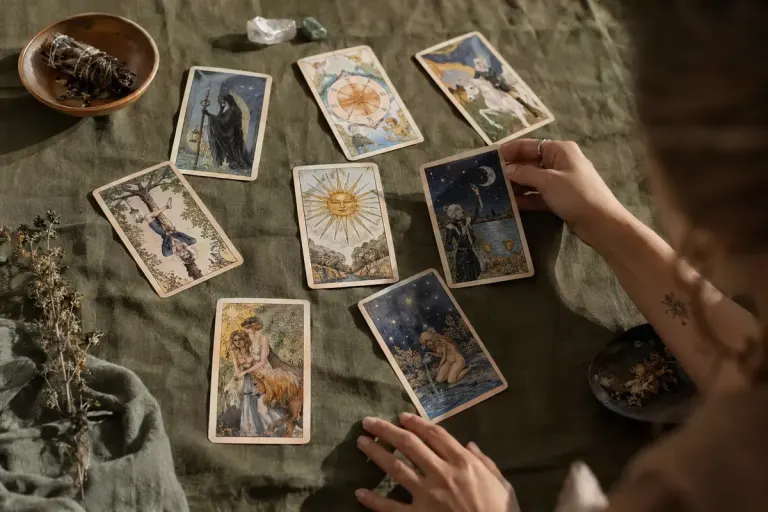
Decide how to handle upside-down tarot cards before a reading so your reflective practice does not change its rules to fit the result.
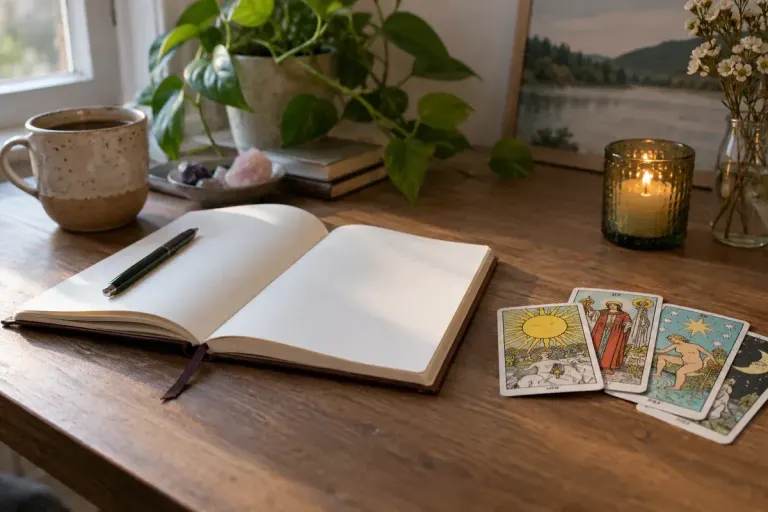
Explore a tarot deck’s major arcana, suits and court cards as a visual structure before memorising interpretations or treating every deck as identical.
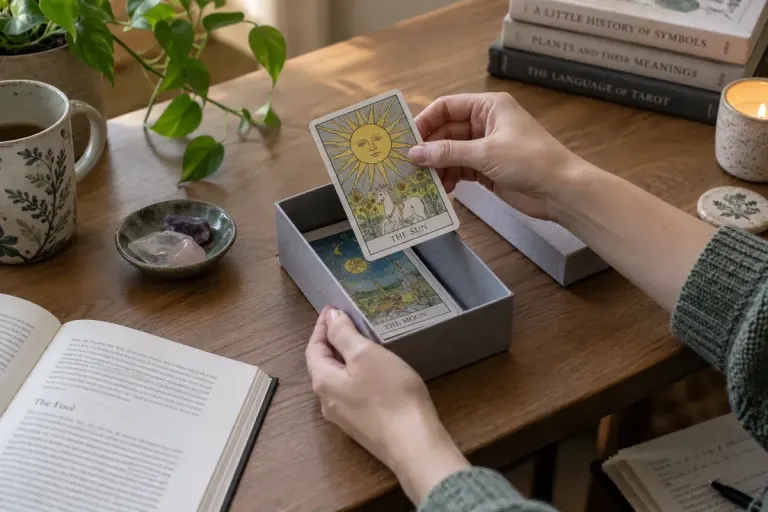
Protect a tarot deck as a paper object with clean handling, sensible storage and gentle routines that preserve the artwork without elaborate rituals.

Explore tarot’s history as playing cards and learn to separate a deck’s documented past from modern interpretations and personal meaning.
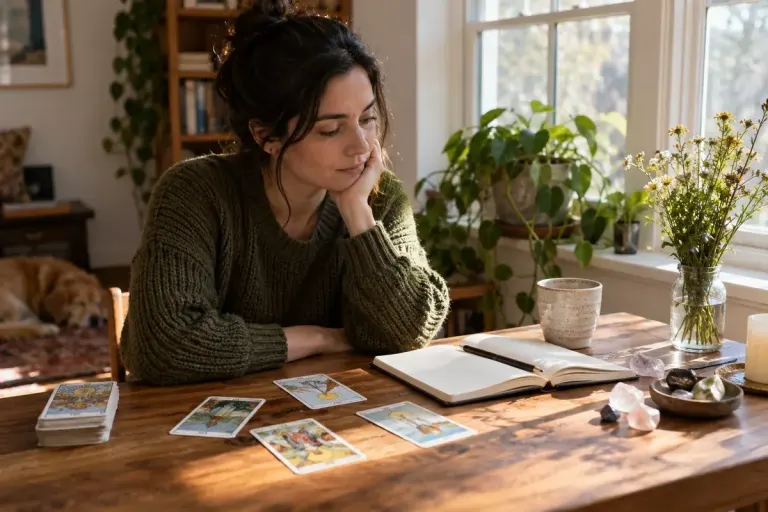
Use tarot as a reflective prompt while keeping important decisions grounded in evidence, personal choice and appropriate professional advice.
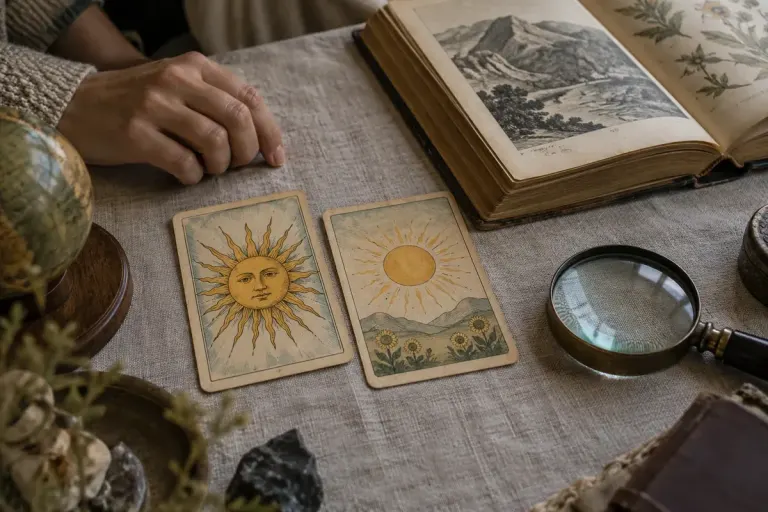
Compare a recurring tarot symbol across two decks by looking at composition, context and the artist’s explanation before deciding what it means to you.

Try a simple tarot journaling exercise that separates visual observation, personal association and a practical question you can revisit later.